Best Practices for Maintaining Internal Floating Roofs (IFRs) on Storage Tanks
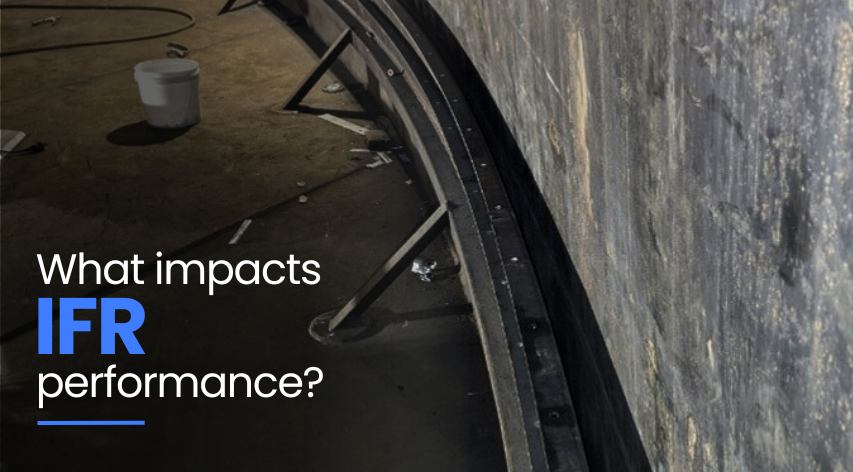
Internal floating roofs (IFRs) help control emissions and reduce product loss in storage tanks. Their long-term reliability depends on proper design, effective inspection practices, and timely maintenance.
Key takeaways
- Internal floating roofs reduce emissions and product losses in volatile liquid storage tanks.
- Material selection influences roof durability and long-term performance.
- Seal condition directly affects emissions control and roof reliability.
- Tank geometry can influence roof movement and operating limitations.
- Risk-based inspection (RBI) programs help focus maintenance on the most critical components.
Internal Floating Roofs (IFRs) in storage tanks play a critical role in reducing emissions and minimizing product losses in volatile liquid storage. These roofs are especially effective in tanks that store hydrocarbons, chemicals, and other compounds prone to evaporation. Proper design, inspection, and maintenance are essential to IFR safety and reliability. While IFRs differ significantly from External Floating Roofs (EFRs), the same industry standards tend to apply to both, as detailed in a previous blog.
Types of Internal Floating Roofs in storage tanks
Internal Floating Roofs have been used for decades and are designed to meet the requirements of API-650 Annex H. IFRs started out with just steel designs adapted from the principles of External Floating Roofs, but newer aluminum designs emerged in the ‘70s and ‘80s that allowed for less expensive construction, installation through manways, and eventually suspension from fixed roofs. More recent developments include composite non-metallic floating roof options.
Steel IFRs fall into three main categories:
- Covered EFRs
- Simple pans
- Bulkhead pans
Covered EFRs are pretty simple to explain: they’re EFR designs that have been covered. It’s rare to find a newly constructed EFR design underneath an existing fixed roof.
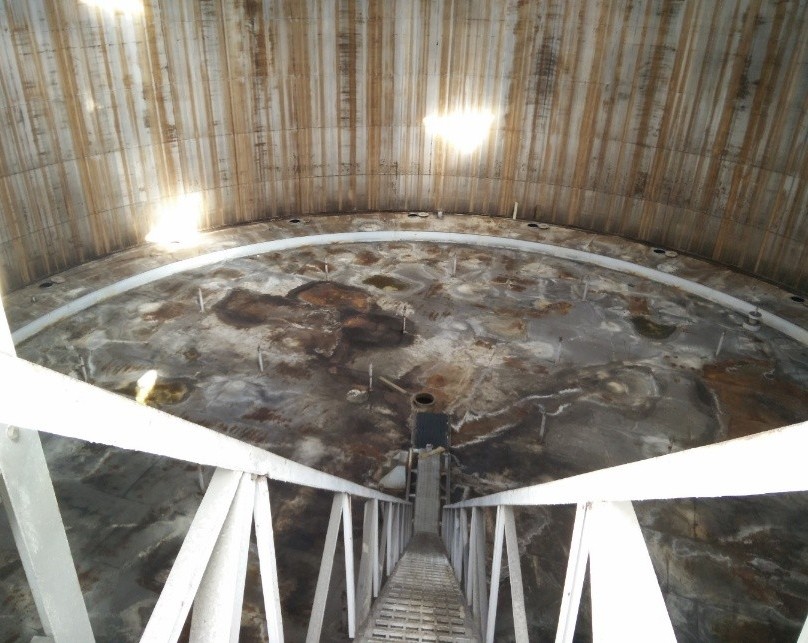
Figure 1: External Floating Roof under a dome
Simple pan roofs are flat, lap-welded sheets with a turned-up rim plate around the perimeter. Typically, there are some angles or gussets welded to the rim plate to stiffen it sufficiently for seal reaction forces.
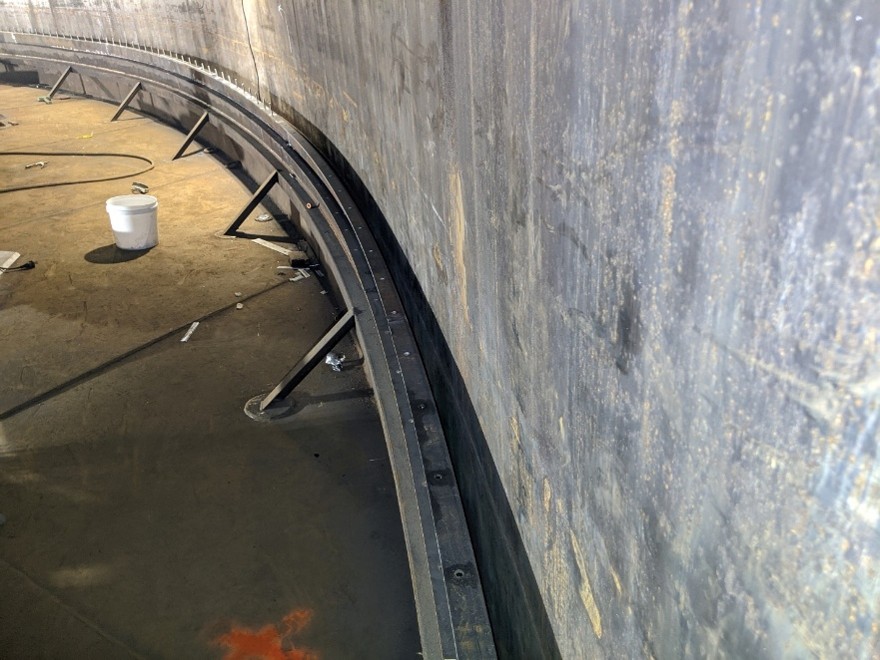
Figure 2: Simple pan Internal Floating Roof rim plate with the seals removed
Bulkhead pan roofs are simple pans with additional stiffener plates welded perpendicular to the outer rim plate and an inner rim plate. These stiffeners are seal-welded to the deck, providing a lot of additional roof stiffness and stability as well as floatation compartments similar to a perimeter pontoon EFR design. However, since the roof isn’t subject to weather, no cover on top of the compartments is necessary and the open-top design allows for any liquid accumulation to be visually observed from the fixed roof.
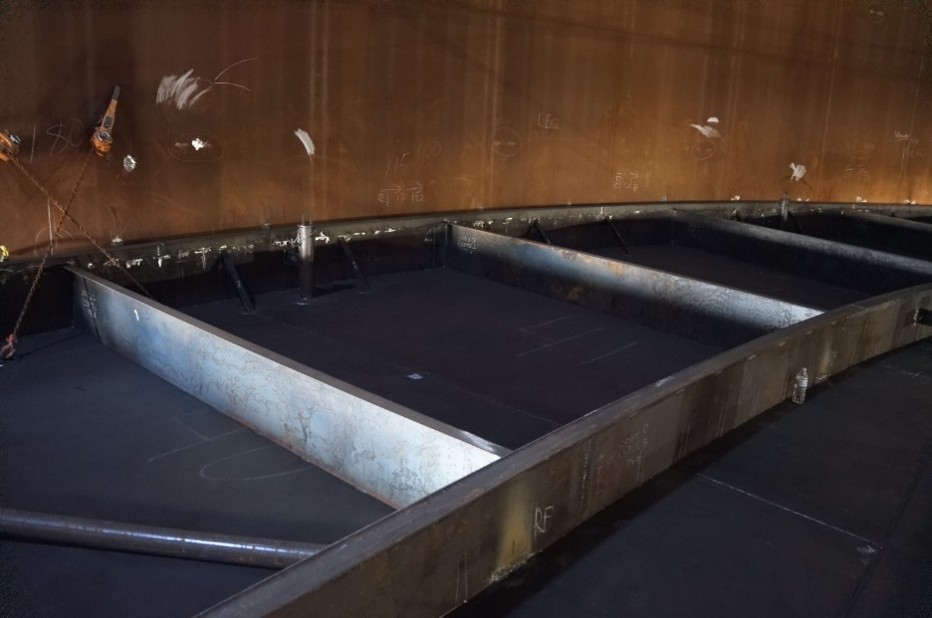
Figure 3: Bulkhead pan Internal Floating Roof being fabricated
There are also other, less common steel designs that are generally modifications to the typical pan or bulkhead type. Aluminum designs are much more varied and have gone through evolutions over time. The main types of aluminum roofs are panel designs and skin and pontoon designs. Aluminum roofs can be designed either to land on legs similar to steel roofs or be suspended from a fixed roof using cables and/or chains. Due to their light weight, they often have a much lower profile than steel roofs.
Panel types include foam filled, expanded metal filled, honeycomb filled, closed compartments, and open compartments. The panels can be bolted together with sealants/gaskets or welded together.
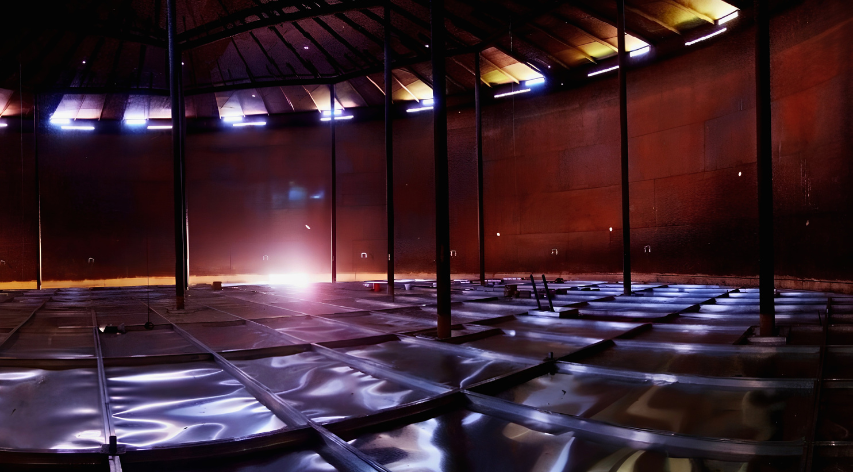
Figure 4: Aluminum panel full contact roof
The skin and pontoon designs vary, particularly in how the structure interacts with the pontoons. Some designs use the pontoons as part of the structure, while others use them strictly for floatation.
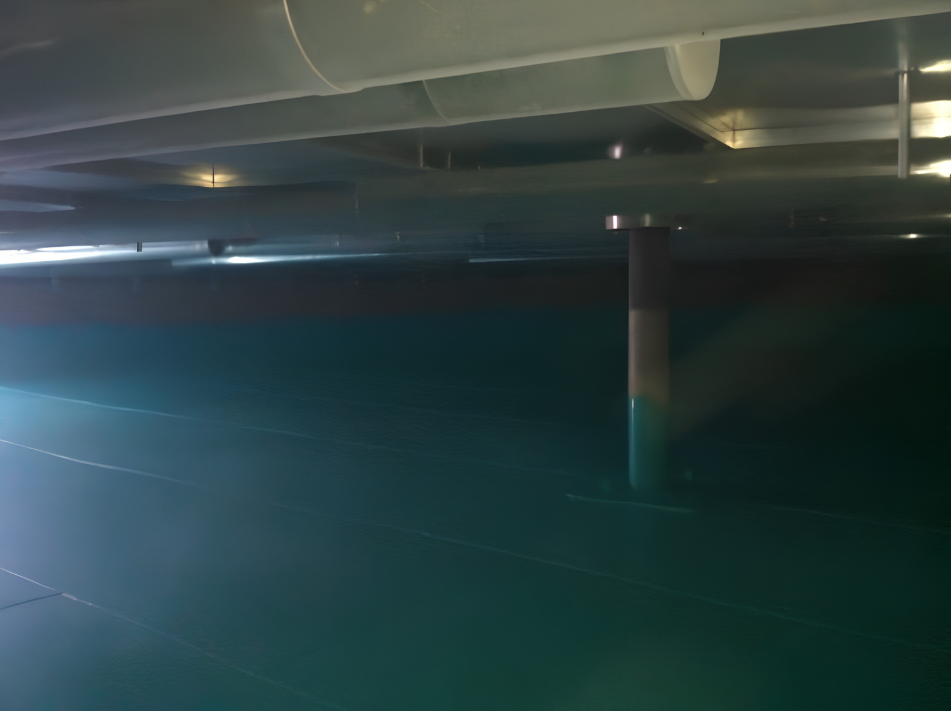
Figure 5: Aluminum pontoon roof from below
Finally, there are several design options for composite roofs. Some are similar to aluminum panels but are constructed using fiberglass materials. Others are fabricated in place and feature a seamless design. These designs aren’t common in the United States but are gaining ground internationally.
Key design considerations for IFRs
Working capacity
Different designs have different float depths and different extensions above the deck. Minimum and maximum working levels can vary by several feet between designs, which represents unusable shell capacity of the tank. Seals, nozzles, and appurtenances can also affect the limits at the top and bottom of the tank and should be considered where capacity is needed.
Vapor space management
IFRs are installed beneath a fixed roof, creating a vapor space. Floating roof designs require considerations to the fixed roof to maintain proper ventilation, preventing the accumulation of flammable, corrosive, or other hazardous vapors. Additionally, some designs can have a vapor space between the liquid surface and the roof membrane, which can lead to integrity and environmental concerns.
Material and structural integrity
IFRs can be made from a variety of materials. Carbon steel is common, but they can also be made of aluminum, stainless steel, or composites to resist corrosion. Coatings are an option for mitigation of corrosion concerns on floating roofs. Assessing material suitability based on stored product and environmental conditions is essential to prolong service life and minimize risk of corrosion damage. Corrosion issues are often observed in vapor spaces or from direct liquid contact, depending on the product stored and the material of construction.
Cracking is another typical issue. Designs in which the pontoons serve a structural role subject the round pontoons to flexure, making them more prone to cracking as the roof moves up and down in the tank. Pontoons for floatation alone experience fewer of these problems, but poor-quality welds or poor installation practices can still create leaking pontoons. Certain stored products are more susceptible to stress corrosion cracking. Frequent cycling of tanks, especially landings, can also exacerbate cracking occurrence.
Aluminum and stainless welding can be tricky and expensive to manage in the field and tends to experience more weld quality issues. As a result, sealed and bolted panels are more common. Even shop-welded panels can have quality control and durability issues, and leaks in panels are frequently uncovered during inspections.
Finally, it’s not just the roof material, but the seal materials – including soft goods such as gaskets, fabrics, and wipers – that can be subject to wear, cracking, and material compatibility concerns. Degraded seals can lead to integrity issues with the roof structure itself in addition to the obvious environmental concerns.
Seals and sealing mechanisms
Effective primary, secondary, and penetration seals are crucial in IFRs to minimize vapor leaks. These seals should be inspected regularly, as they endure significant wear from tank filling and emptying cycles. Non-welded seams can also result in higher emissions, making joint sealing details an important environmental design consideration.
Floatation design
While IFRs are not directly exposed to weather, they may still be affected by condensate buildup or leaks on top of the roof. Designs should be able to accommodate some liquid and either drain or hold the liquid without causing damage, upset, or sinking of the roof.
Tank condition
Many older tanks, especially those constructed before API 650 was published and those that have been reconstructed, are not as round and plumb as newer tanks. Deformations, ovality, column design, and settlement can affect floating roof movement, seal condition and longevity, and operational limits. Getting accurate measurements of the shell shape and column plumbness and providing that data to seal and roof suppliers can influence their designs to accommodate less-than-ideal tank shapes.
Maintenance strategies for IFR longevity
Routine inspections
Regular checks on the condition of the roof and its components (including deck plates, pontoons, and seals) help identify early signs of wear, corrosion, or fatigue that could impact performance. Visual inspections from the top of the tank are typical but can be limited depending on configuration and conditions.
Seal replacement cycles
Similar to EFRs, seals on IFRs have a limited lifespan and need replacement or repairs. This lifespan can vary depending on materials, product, exposure, and cycles. At the low end, seals may degrade in a couple of years, but well-designed seals in tanks that don’t cycle frequently may be able to endure entire 20-year internal inspection cycles without requiring maintenance. Monitoring seal conditions and making repairs on a defined schedule can help to prevent leaks and reduce the risk of excess emissions and associated penalties.
Monitoring for structural stability
Ensuring the IFR remains level and free from damage is key, especially during tank filling operations and upset conditions. Unbalanced loads may affect the IFR’s stability, increasing the risk of damage or sinking. Tanks that are landed frequently or have the possibility of upsets, especially vapor slugs, should be monitored more frequently – especially after fills or upsets.
Risk-Based Inspections (RBI)
As with tank bottoms and EFRs, implementing an RBI program can optimize maintenance schedules and budgets by focusing resources on the highest-risk components and reducing overall downtime. At leading organizations, mechanical integrity is defined by how effectively risk informs action across the facility footprint and shapes operational decisions beyond minimum regulatory expectations. The transition from compliance-driven mechanical integrity to proactive risk-based management is a journey with several maturity milestones. Assessing the current state against the desired future state – and the appetite for risk reduction against available funding – are mission-critical steps in evolving toward a proactive, risk-based approach.
Getting more from IFRs
Internal Floating Roofs (IFRs) are invaluable in reducing emissions and enhancing the efficiency of storage tanks. However, maximizing their benefits requires rigorous design specifications, a regular inspection schedule, and proactive maintenance practices. Becht can provide evaluations of individual tank designs, inspection practices, and risks to optimize your tanks’ operational reliability, and environmental performance. Contact us today to learn more.
Like what you just read? Join our email list for more expert insights and industry updates.